
SI Joint Inflammation: What Causes It and How to Manage It
The sacroiliac joint sits quietly between your spine and pelvis, but it handles a huge amount of force every day.
When SI joint inflammation develops, you immediately feel how much work this small joint truly does.
Simple tasks, like standing up, shifting weight, walking, or even rolling in bed, suddenly feel off.
The discomfort grows because the joint influences so many movement patterns, and you quickly notice how sensitive it becomes when things aren’t aligned.
How Everyday Habits Create Stress
Most flare-ups come from movement habits you repeat without thinking. Long commutes, desk work, or standing unevenly place more load on one side of your pelvis.
Even something as simple as carrying bags on the same shoulder every day can gradually shift how your pelvis moves.
When your body leans or twists repeatedly in one direction, the joint absorbs the imbalance, which results in irritation.
Activity That Pushes the Joint Too Far
Sometimes the cause is more obvious. You may ramp up your workouts too quickly, lift something heavy with poor form, or twist awkwardly during sports.
These actions overload the joint with force it can’t handle.
When the pelvis rotates sharply or absorbs sudden impact, the ligaments around the SI joint tighten in response. That tension builds until the joint becomes irritated and inflamed.
How Weakness Around the Pelvis Adds Pressure
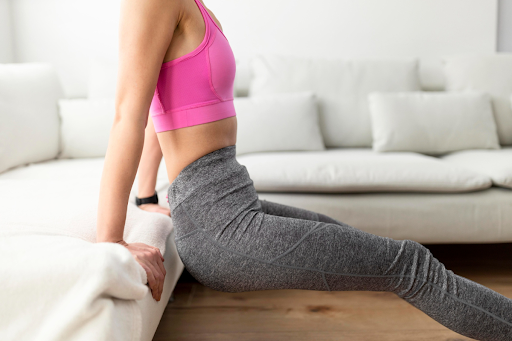
Your core and glute muscles stabilize the pelvis, so when those muscles don’t fire well, the SI joint fills the gap. Over time, this extra workload becomes too much.
Weak glutes let the pelvis slip into poor alignment when you walk. A weak core reduces your ability to maintain control when you lift or bend.
All of this places a heavier burden on the joint, which leads to SI joint inflammation for many people.
Pregnancy and Hormonal Changes
Pregnancy introduces its own set of challenges. Hormones loosen the ligaments that normally stabilize the pelvis, which allows more movement than the joint can comfortably handle.
As the pelvis widens and the center of gravity shifts, the SI joint absorbs new forces.
Many pregnant women experience sharp or achy pain around the lower back and hips because of this shifting support system.
The Role of Past Injuries
Old injuries often come back to influence how the pelvis moves. Even if you’ve recovered well, the body sometimes keeps subtle compensations.
A previous fall, a sprained ankle, or a minor car accident can create a long-term shift in how you load your legs and hips.
Those small changes add up over time, eventually feeding directly into SI joint inflammation if the underlying pattern isn’t corrected.
When Medical Conditions Contribute
Arthritis is another common factor. It limits normal joint glide and increases sensitivity. When the joint stiffens, it forces the surrounding muscles to work harder to maintain smooth movement.
That increase in muscular tensionmakes the joint more reactive and more vulnerable to inflammation.
People with hypermobility also struggle, since their joints naturally move more than average and require greater muscular stability.
Recognizing the Pain Pattern
SI joint discomfort usually has a very particular feel. Many people notice pain on one side of the pelvis, often right where the spine meets the back of the hip.
The ache may spread into the buttock or upper thigh, but it rarely travels in a straight line compared to sciatic pain.
Sitting for long periods, climbing stairs, or standing from a low chair often sharpens the sensation.
Some feel like their pelvis “catches” or shifts when they turn or roll over. These are classic signs that the SI joint is contributing to your pain.
Why the Pain Feels So Unpredictable
One of the most frustrating parts of SI joint irritation is how inconsistent it feels. Some days you move without much trouble. On other days, the smallest motion sends sharp feedback.
This unpredictability happens because the joint doesn’t stay irritated all the time; small changes in alignment, muscle tension, or load can flip the switch quickly.
That’s why understanding your movement habits becomes essential.
Small Adjustments That Make a Big Difference
You don’t need dramatic lifestyle changes to ease the pressure on the SI joint. Start with simple adjustments: sit evenly, avoid leaning into one hip, and take regular breaks from static positions.
Short walks help maintain healthy joint motion, and standing with weight distributed through both legs reduces unnecessary strain.
Building Support Through Strength
The more stable your pelvis becomes, the less stress the SI joint absorbs, which is why strengthening your glutes, deep core muscles, and hip stabilizers gives your pelvis better control.
You’ll move more smoothly, absorb force more evenly, and keep the joint from overworking.
Even light, consistent strength training goes a long way toward reducing irritation and preventing future flare-ups.
Restoring Motion With Targeted Mobility
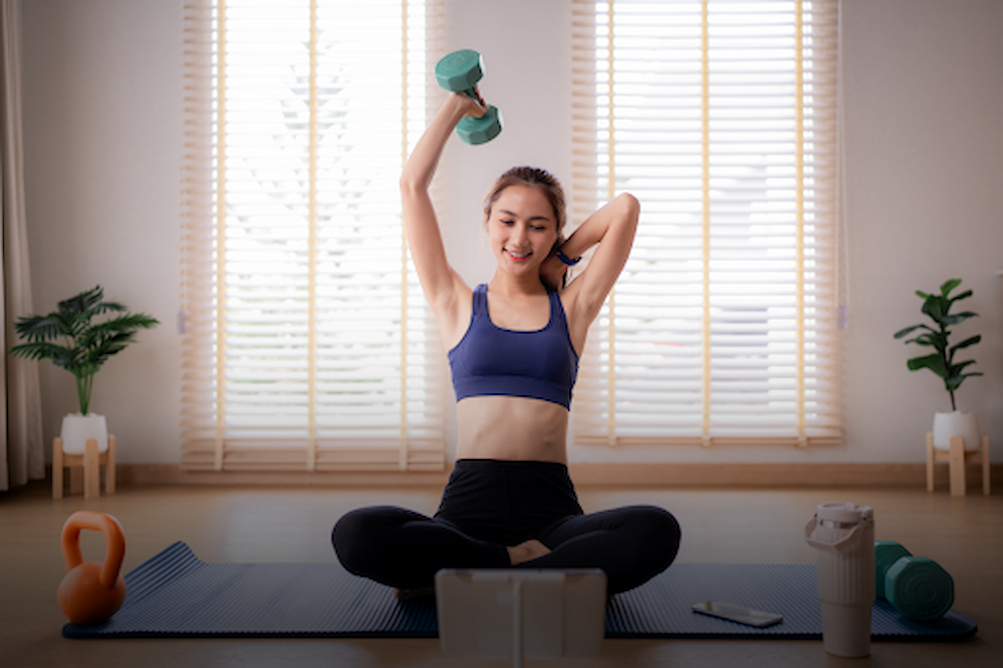
When surrounding muscles tighten, they pull the pelvis out of balance. Gentle hip mobility work and exercises for joint pain relieve tension and create space for the joint to move comfortably.
Controlled stretching of the hip flexors, glutes, and lower back is also very helpful in restoring symmetry around the pelvis.
When You Need Professional Guidance
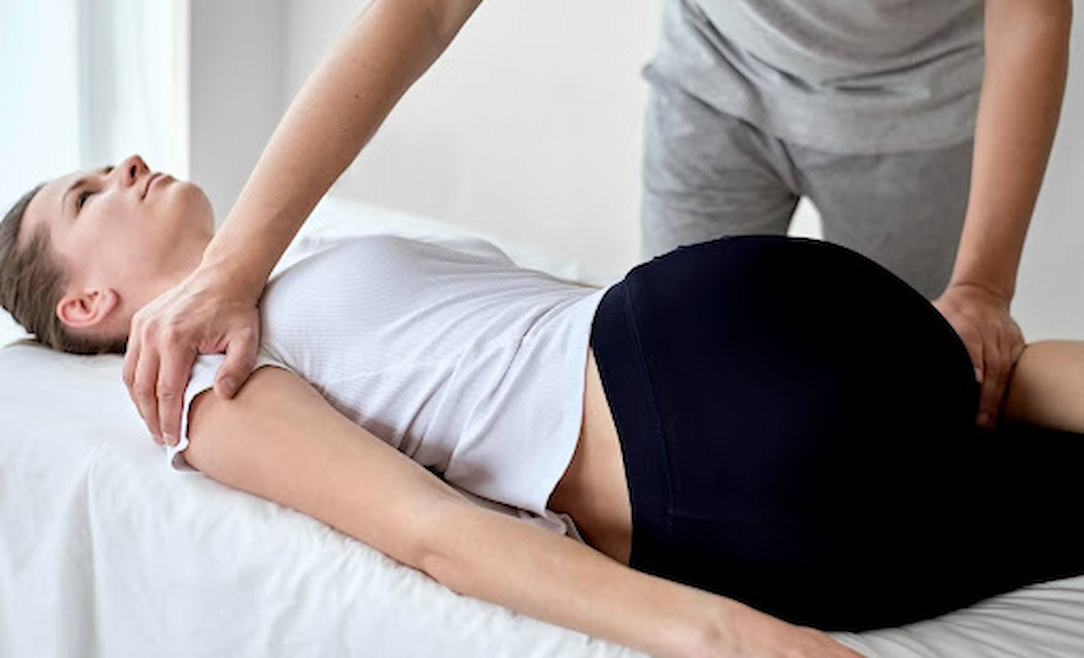
Some patterns need trained eyes. A therapist can identify exactly where your movement is breaking down and guide you through a plan that restores balance.
Manual therapy helps improve joint glide, decrease muscular guarding, and reset alignment. Combined with personalized exercises, creates lasting change rather than temporary relief.
A Stronger Path Forward
With a clearer understanding of how your pelvis moves and what fuels irritation, you can take real control of your comfort.
If you’re dedicated to building strength, improving mobility, and adjusting the habits that overload the joint, you can create a stable foundation for long-term relief.
Get Personalized Relief Today
If you want expert guidance, hands-on treatment, and a customized plan built around your exact movement patterns, schedule a session with Expert Manual Therapy.
Our focused, one-on-one approach helps you reduce pain and gain back the comfort you’re searching for.
Contact us today and start your journey to pain-free movement.